
How South Lakes Neighborhoods Flood
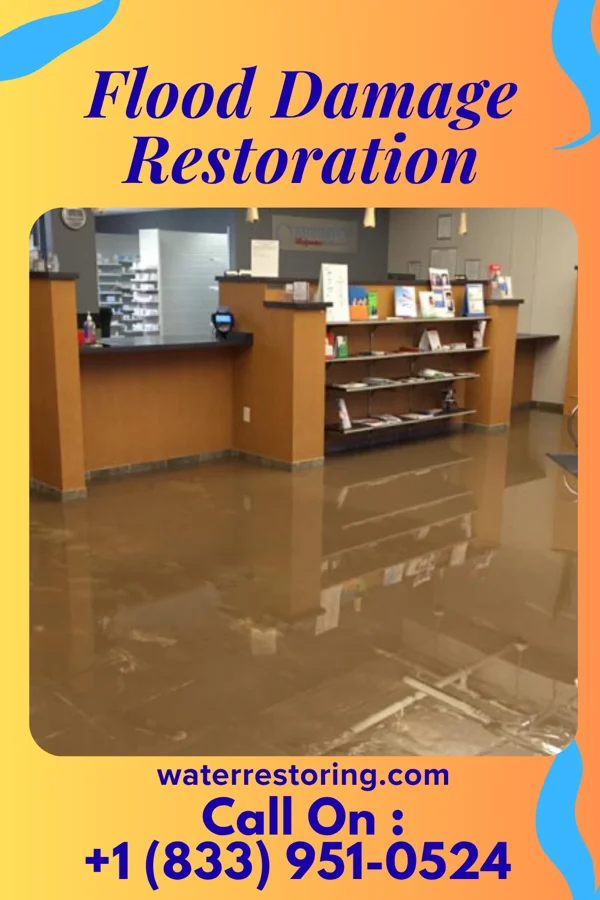
Every neighborhood in South Lakes has a different water damage risk profile. The one that shows up on most restoration calls is South Lakes, Alaska is prone to flooding due to its proximity to the Susitna River and its location in a rural area with seasonal thawing of permafrost. Heavy rainfall events and snowmelt from surrounding mountains can lead to rapid water accumulation in low-lying areas..
The region experiences a subarctic climate with long, cold winters and short, cool summers. Flooding typically occurs during late spring and early summer when snowmelt and rainfall combine, increasing the risk of water damage to local properties.
Water damage in South Lakes follows a few local patterns. South Lakes, Alaska is prone to flooding due to its proximity to the Susitna River and its location in a rural area with seasonal thawing of permafrost. Heavy rainfall events and snowmelt from surrounding mountains can lead to rapid water accumulation in low-lying areas. accounts for the bulk of our calls. The region experiences a subarctic climate with long, cold winters and short, cool summers. Flooding typically occurs during late spring and early summer when snowmelt and rainfall combine, increasing the risk of water damage to local properties. In South Lakes, mold risk begins within 48 hours of water exposure. Immediate action is essential to prevent health hazards and structural damage to your property.
For public guidance on the health effects of mold after prolonged water exposure, see the EPA mold and health page.