
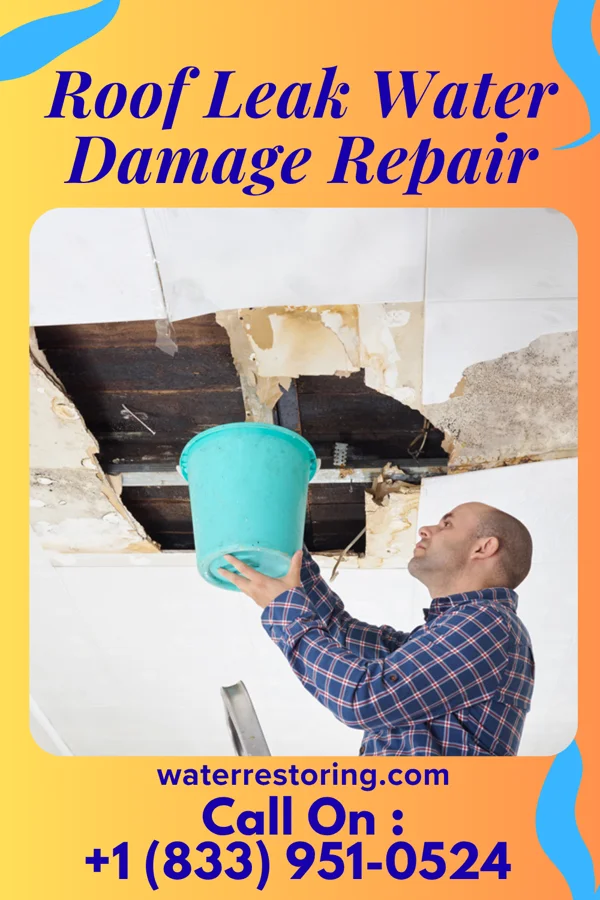
Why Roof Leaks Hit South Lakes Hard
The pattern in South Lakes is consistent. South Lakes, Alaska experiences frequent snowfall and freezing temperatures that can cause ice dams to form along roof edges, leading to water backup and potential leaks. The region's cold climate also increases the risk of roof materials becoming brittle and prone to cracking, especially during rapid temperature fluctuations. drives most of the emergency restoration calls we get. A close second is Heavy rainfall, though less common than snow, can overwhelm improperly sealed roofs, while strong winds can damage roofing materials and create openings for water infiltration. These weather patterns are common in the Matanuska-Susitna Borough during late spring and early fall..
The combination of heavy snow, ice dams, and seasonal thawing creates a unique set of challenges for roof integrity in South Lakes. These conditions can lead to persistent water damage, especially in older homes with less robust roofing systems.
The combination of heavy snow, ice dams, and seasonal thawing creates a unique set of challenges for roof integrity in South Lakes. These conditions can lead to persistent water damage, especially in older homes with less robust roofing systems. The dominant local driver is South Lakes, Alaska experiences frequent snowfall and freezing temperatures that can cause ice dams to form along roof edges, leading to water backup and potential leaks. The region's cold climate also increases the risk of roof materials becoming brittle and prone to cracking, especially during rapid temperature fluctuations., with Heavy rainfall, though less common than snow, can overwhelm improperly sealed roofs, while strong winds can damage roofing materials and create openings for water infiltration. These weather patterns are common in the Matanuska-Susitna Borough during late spring and early fall. showing up as the next most common cause. Damage builds in stages. Spread. Absorption. Microbial growth. Structural compromise. Every stage you pass through adds to the final bill.
For public guidance on the health effects of mold after prolonged water exposure, see the EPA mold and health page.